
The Genre Trap
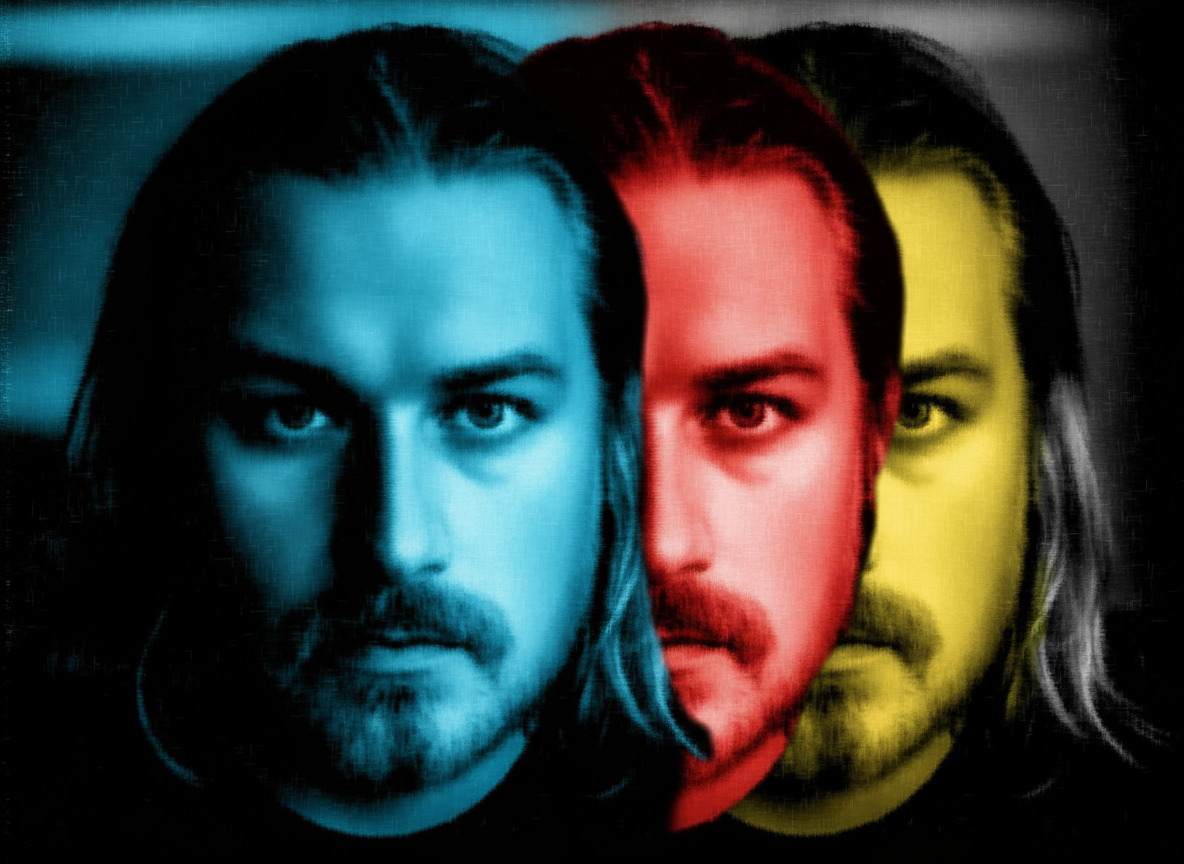
"I don't believe in eras. I don't believe in genres. I don't believe in chronological time."
— Prince
Why I’m Refusing to Fit Into Your Square Hole
In 1995, I sat in a studio and recorded "The Goddess of Love" (TGOL). At the time, the air was thick with Britpop. It was the year of The Great Escape and (What’s the Story) Morning Glory?. Because of that timestamp, the algorithms and the industry gatekeepers want to wrap me in a Union Jack, hand me a Fred Perry shirt, and call it a day.
But here’s the problem: The "Genre Trap" is a lie.
The Algorithm’s Blind Spot
When I recently restored TGOL for release, I ran it through various AI tagging tools. It spat back "Alt-Rock" and "Britpop." On one level, I get it. The crunch is there. But the machine is deaf to the soul. It doesn't hear the George Michael-inspired vocal delivery, the Bee Gees-esque falsetto in the chorus, or the funk-driven melodic bassline that owes more to Prince than it does to Liam Gallagher.
The industry platforms—and sites like SubmitHub—constantly ask the most insulting question an artist can hear: "Who do you sound like?"
My answer? I sound like Ludup, you fool.
The "Square Peg" Strategy
My next release, "Shine", actually is a Britpop-leaning track. It’s got the Hammond organ, the melodic bass, and the 1995 demo DNA. It’s a "square peg" that will likely sail right through the playlist curators' filters because it gives them exactly what they expect.
But if you think that’s the blueprint for everything that follows, you haven’t been listening.
Following Shine, I have tracks like "Rise", "Plastic Spoons", and the ballad "From The Sky". None of them share a "genre." They don’t even share the same reverb settings.
Production as Art, Not an Assembly Line
Most modern "branding" advice tells artists to find a "sound" and stick to it so the algorithm knows where to put you. They want every song to have the same EQ, the same vocal chain, and the same mood so you can fit neatly into a "Chill Indie" or "90s Revival" playlist.
I refuse.
To me, each song is a standalone work of art. If a track feels like it needs a psychedelic wash, it gets it. If it needs a raw, dry vocal, it gets it. The "red thread" connecting my music isn't a genre tag—it’s my songwriting and my voice.
Expect the Unexpected
I am writing this for the listeners, not the curators. I want you to come to ludup.com expecting the unexpected.
The industry wants to make music easy to categorize so it’s easy to sell. But art isn't supposed to be easy. It’s supposed to be honest. I might be "confusing the algorithm," but I’d rather be a confusing artist than a predictable product.
I am my own genre.
About Ludup
Ludup is the creative identity of an artist refusing to be tethered to a single era or "sound."
The journey began in the mid-90s, capturing the raw energy of the Britpop explosion on tape. For decades, these recordings—including the debut single "The Goddess of Love"—remained as sonic time capsules. In 2025, Ludup emerged to digitally restore these "lost" sessions while simultaneously crafting new material that defies easy categorization.
From the funk-driven basslines of his 1995 recordings to the experimental textures of his modern work, the "Ludup sound" is defined by a commitment to the song itself, rather than the genre it’s supposed to fit. Based on the philosophy that every track is a unique work of art, Ludup continues to release music that prioritizes authenticity over algorithmic convenience.
